
This website uses cookies
Congress is currently drafting next year’s federal budget — and critical funding for biomedical research that Americans support and need is at risk.
Government investment in biomedical research has been part of our nation’s life-saving mission for over 90 years. It has kept America safe, self-reliant, and the world leader for innovation.
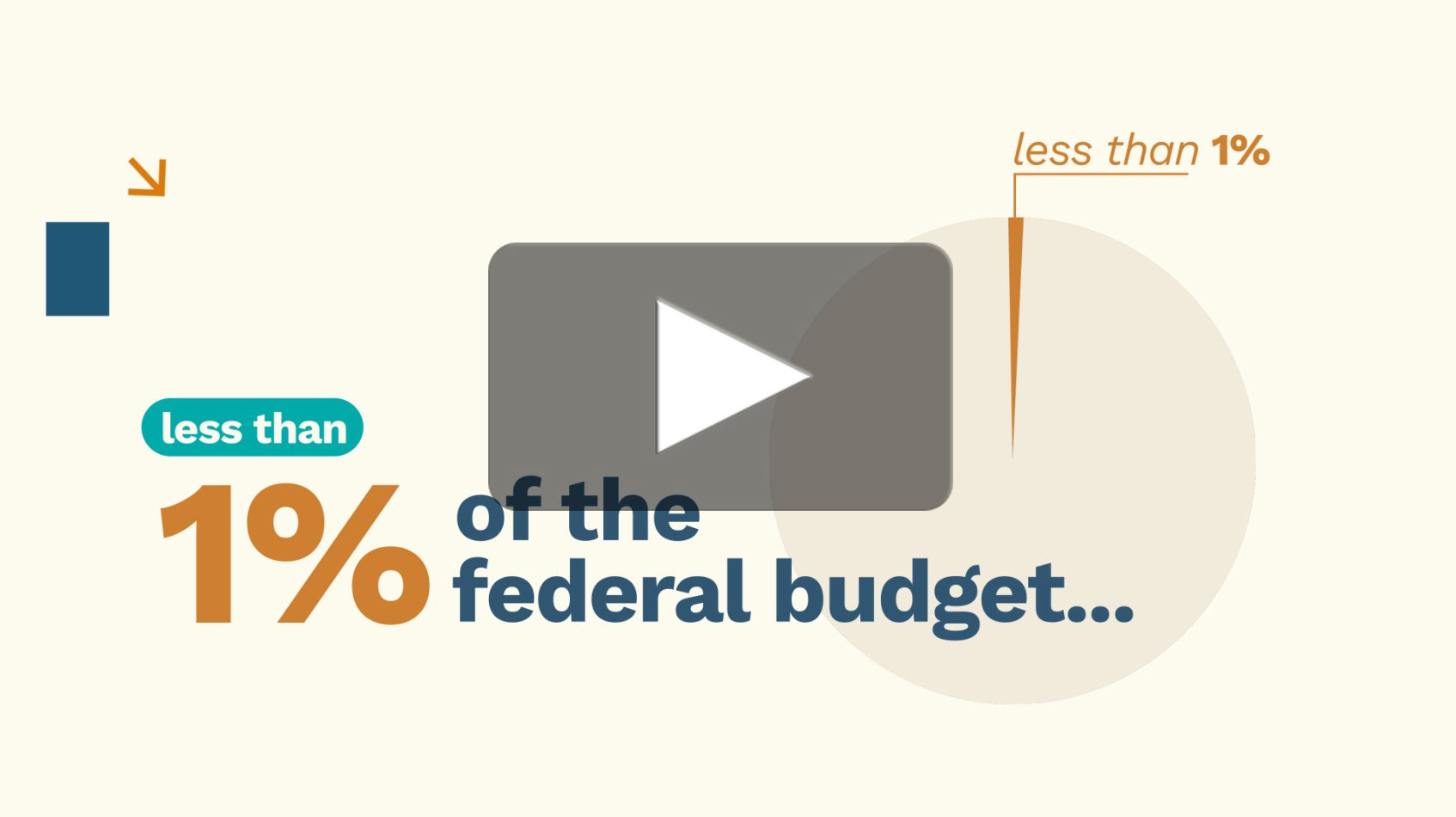
All that is done for less than 1% of the federal budget – with each dollar of investment returning more than $2.5 in economic impact that benefits all 50 states.
Federal funding fills a foundational role—pursuing science that has great potential to lead to treatments and cures. Without this funding, entire fields of life-saving research may be delayed, diminished, or never pursued at all.
For less than 1% of the federal budget...we fund the science that saves lives.
From cancer and obesity to heart disease, Alzheimer’s, addiction, and mental health—federally funded research drives nearly every medical breakthrough we count on.
Yojana Rodriguez-Humbert’s baby died from a rare disorder with no cure. She’s fighting so no other family has to endure that loss.
Told he had three years to live, Mel Mann joined a clinical trial funded by NIH. Thirty years later, he’s still marching.
Ray Casey’s hands once shook so badly he couldn’t eat without help.
Three generations of breast cancer. No genetic answer—yet. Jaime Gerdes fights for the research that could save her daughter’s life.
Tammy lost her dad to Alzheimer’s. Millions have the disease and millions more will be diagnosed, yet there is no cure. She fears for the future if research funding is cut.
Judith Stone knows research can pull patients back from hospital delirium. She’s fighting to keep that progress alive.
Inside Higher Ed
President Donald Trump is reportedly weighing an executive order that would give the White House more control over National Institutes of Health funding, according to The Washington Post, Politico and other outlets.
The New York Times
Federal officials are drafting an executive order that would place grants under review by an outside panel, the latest effort to redirect billions of dollars in research spending.
Politico
The move came after the NIH director refused Trump